To choose suitable sandwich panels for a cold room, it is important to take a number of factors into account: from the type of insulation to the metal coating. In this article we will explain how to choose sandwich panels for a room in order to extend its service life, reduce operating costs and ensure high-quality storage of products.
Why it matters
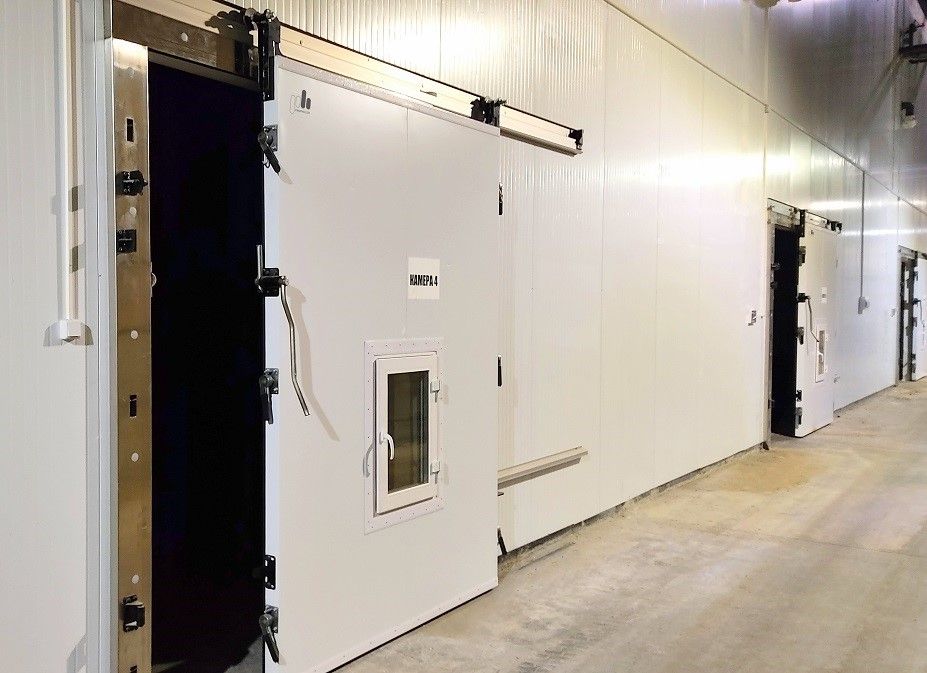
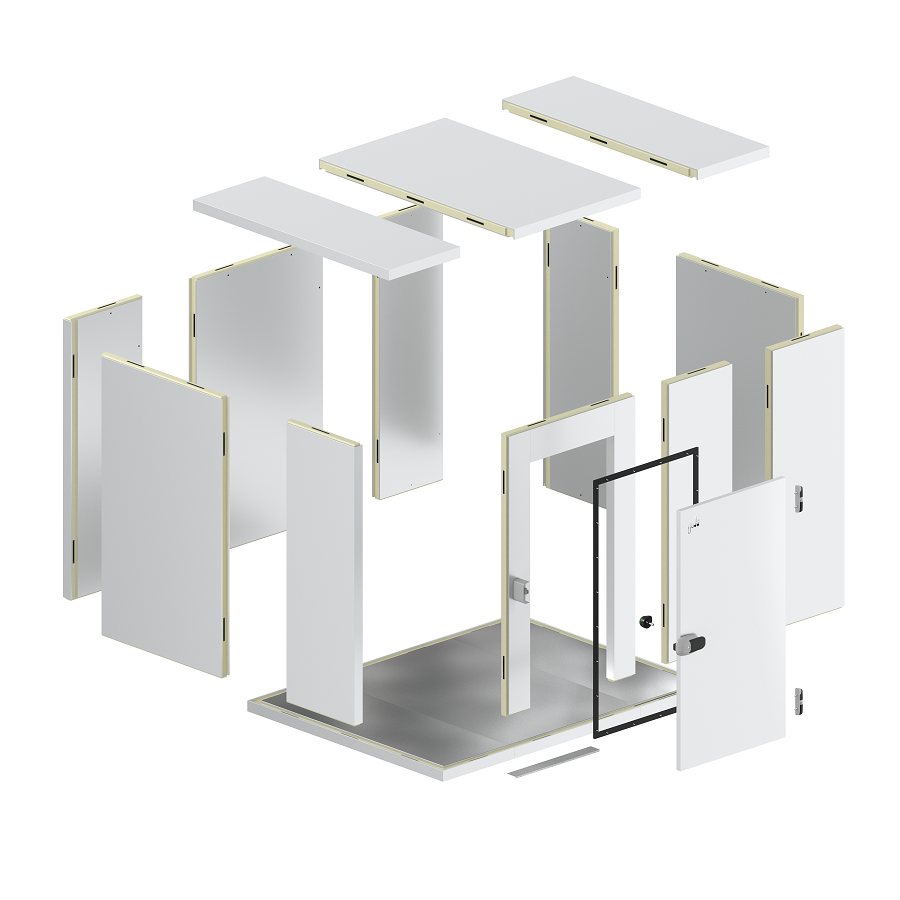
Enclosing structures made of sandwich panels form the airtight shell of a cold room, which ensures a stable temperature regime. Therefore, before construction it is important to understand how to choose sandwich panels for the room.
If you make a mistake when choosing sandwich panels,
- heat losses will increase and electricity costs will go up
- the structure will fail sooner
- problems may arise with the products stored in the room
Main parameters of sandwich panels
To avoid a mistake when choosing sandwich panels for a cold room, we recommend paying attention to the following characteristics:
Type of insulation
Sandwich panels with efficient polyurethane foam (PUR) and polyisocyanurate foam (PIR) insulation are generally used to build modern cold rooms. These are related polymers of rigid polyurethane foams, created as a result of the reaction of several components.
PIR polyisocyanurate is a polyurethane foam with improved fire-resistance properties. At present, PIR-modified polyurethane polymers have displaced all other polyurethane foams in the production of sandwich panels.
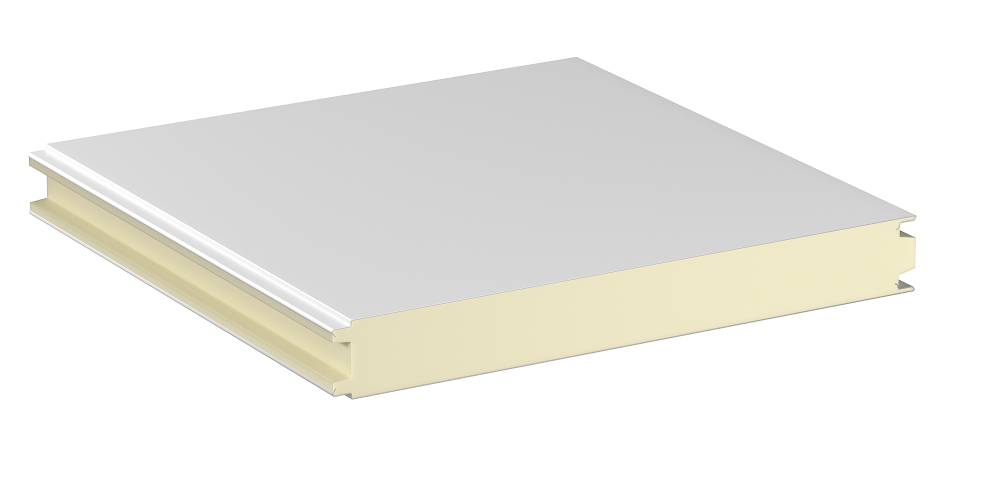
ProfHolod sandwich panels with insulation made of fire-resistant PIR Premier polyisocyanurate foam, made from the best components, have a uniquely low thermal conductivity of down to 0.0194 W/(m·K); the thermal conductivity of PUR is 0.022 W/(m·K). PIR panels are lightweight, hold temperature better than any other insulation and do not lose their properties for decades. They are vapor- and water-proof and resistant to fungi, mold, rodents and insects.
When installed correctly, PIR sandwich panels provide good airtightness and eliminate “cold bridges”, and they can be used both as facade enclosures and partitions and as ceiling panels.
Thickness
The energy efficiency and the stability of maintaining the required temperature inside the room depend on the thickness of the thermal insulation. Insufficient insulation thickness will lead to higher energy costs for cooling or to rapid heating of the room. Buying sandwich panels that are too thick is not economically justified, although they will provide a high degree of thermal insulation.
When choosing the thickness of sandwich panels, it is important to take into account:
- the type of insulation
- the volume of the room
- climate features
- temperature differences
- the type of products being stored
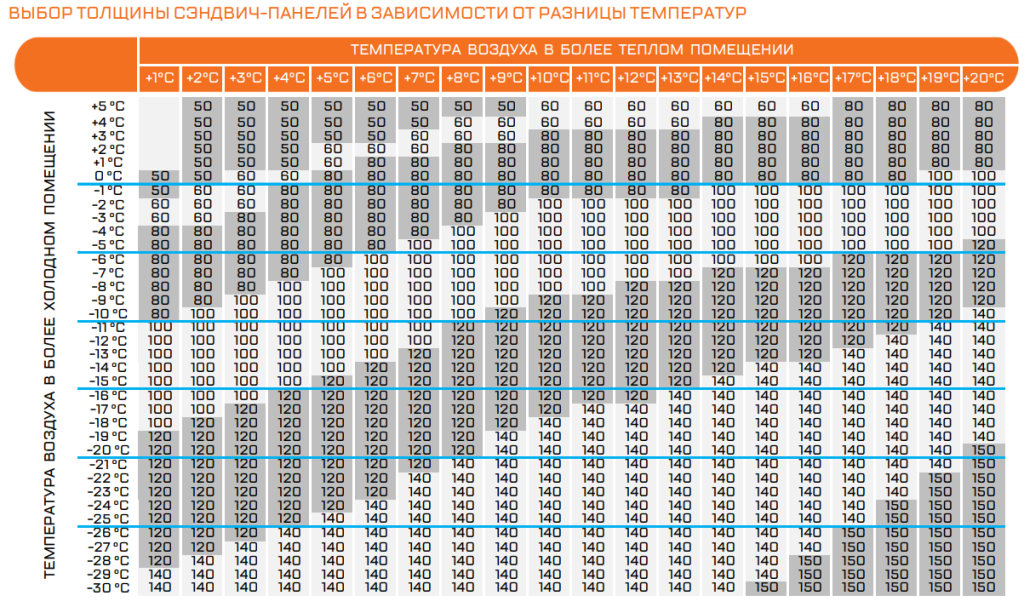
For cold rooms with temperatures above zero, sandwich panels 50-80 mm thick are suitable, and for freezer rooms with temperatures from zero degrees and below — sandwich panels 100-200 mm thick.
According to the recommendations of the International Association of Refrigerated Warehouses (IACSC), optimal thermal insulation of a cold room reduces heat losses to 10 W/m2 per hour.
Below is a table of recommended and sufficient thicknesses of PIR sandwich panels for rooms, which you can use to choose panels that maintain the required difference between the temperature inside and outside the room.
For an exact calculation of the sandwich panel thickness for your cold room, contact ProfHolod specialists.
Metal facing
Metal thickness
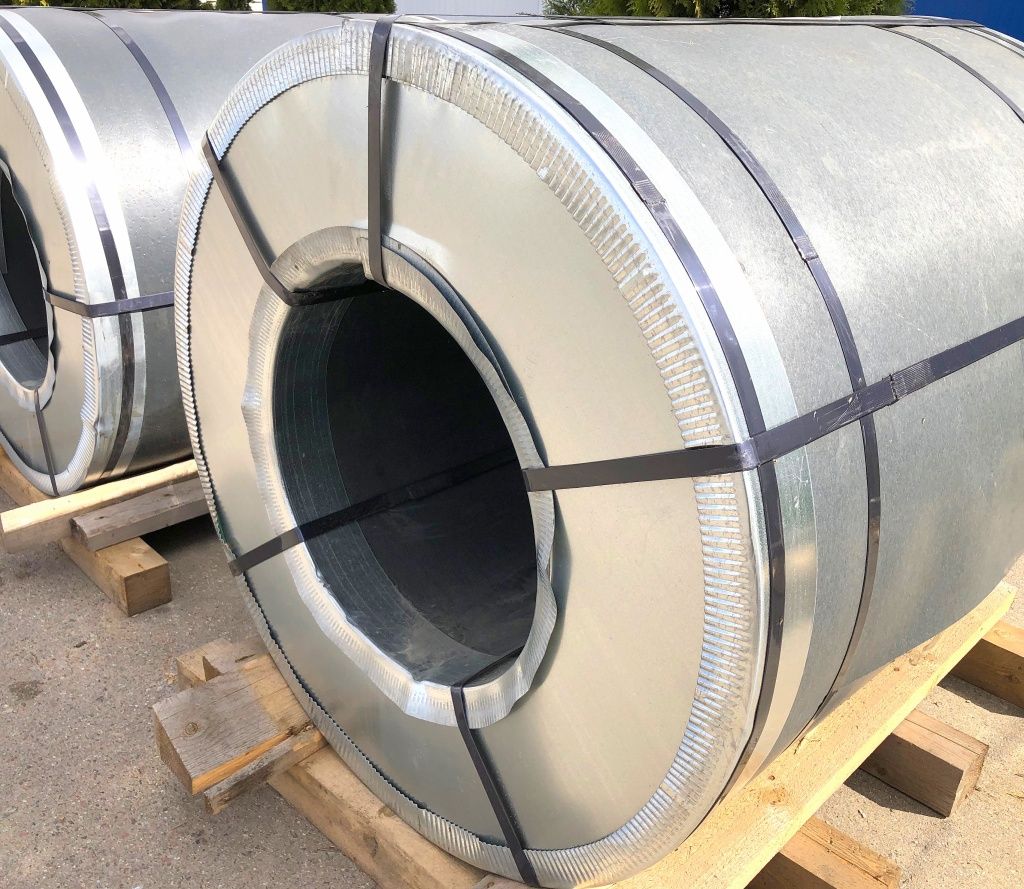
The thickness of the metal sheets affects the strength and rigidity of the panels. Sheets from 0.45 to 0.7 mm thick are usually used for cold rooms. Thinner sheets may be prone to deformation, while thicker ones needlessly make the structure heavier.
Choosing the steel
The choice of steel depends on several factors, including budget, hygiene requirements, operating conditions and durability.
Galvanized steel with a Zn coating is suitable for universal use. For use in conditions of high humidity it is better to choose AISI 430 stainless steel, which has high corrosion resistance. For food production — AISI 340 stainless steel.
Coating
Various types of protective coatings are applied to the metal for additional corrosion protection, better appearance and improved performance.
The following types of coatings are used in the production of cold rooms:
- RAL — galvanized steel with a polyester coating; RAL 9003 is most often used for cold rooms. For universal use. RUV 2, RC 2
- PVDF — steel with a special coating for agricultural buildings. RUV 4, RC 4
- PU — steel with a polyurethane coating
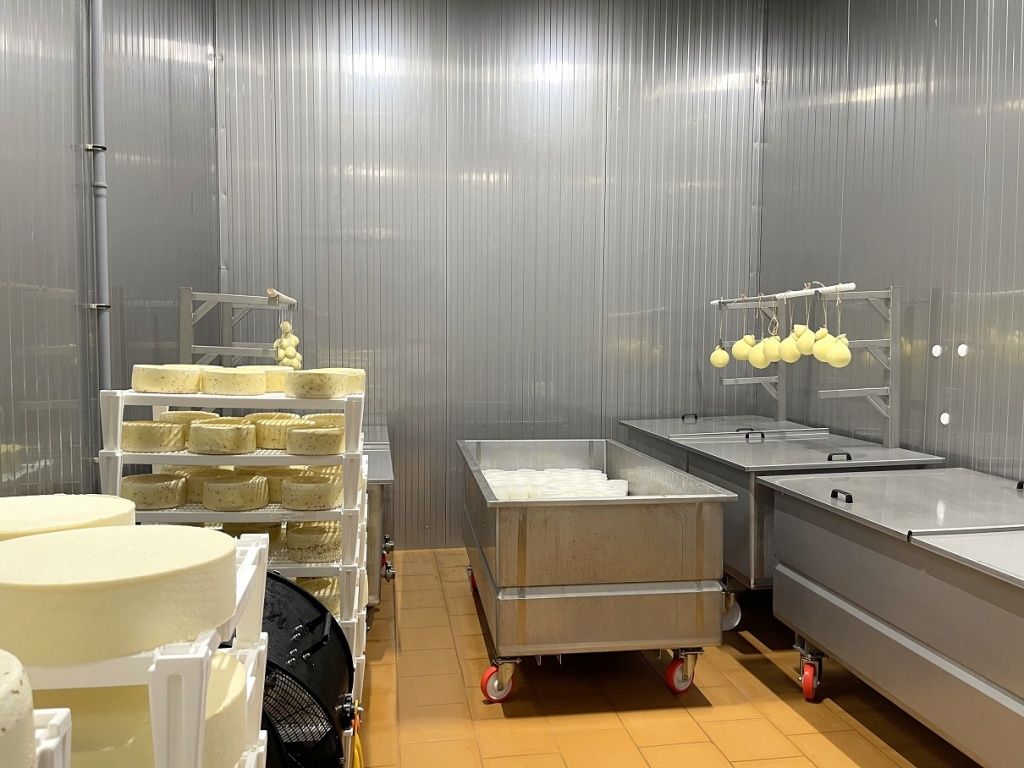
- Food safe — steel with a special coating for meat, fish, dairy, cheese and other food production, and rooms with constant humidity. RUV 4, RC 5
Color
Choosing a color is a matter of aesthetics and practicality. Light colors reflect sunlight better, reducing the heating of the room if it is located outdoors. The darker the color, the more sunlight it absorbs and, accordingly, the more the metal of the sandwich panel heats up. You can read more about choosing a color here.
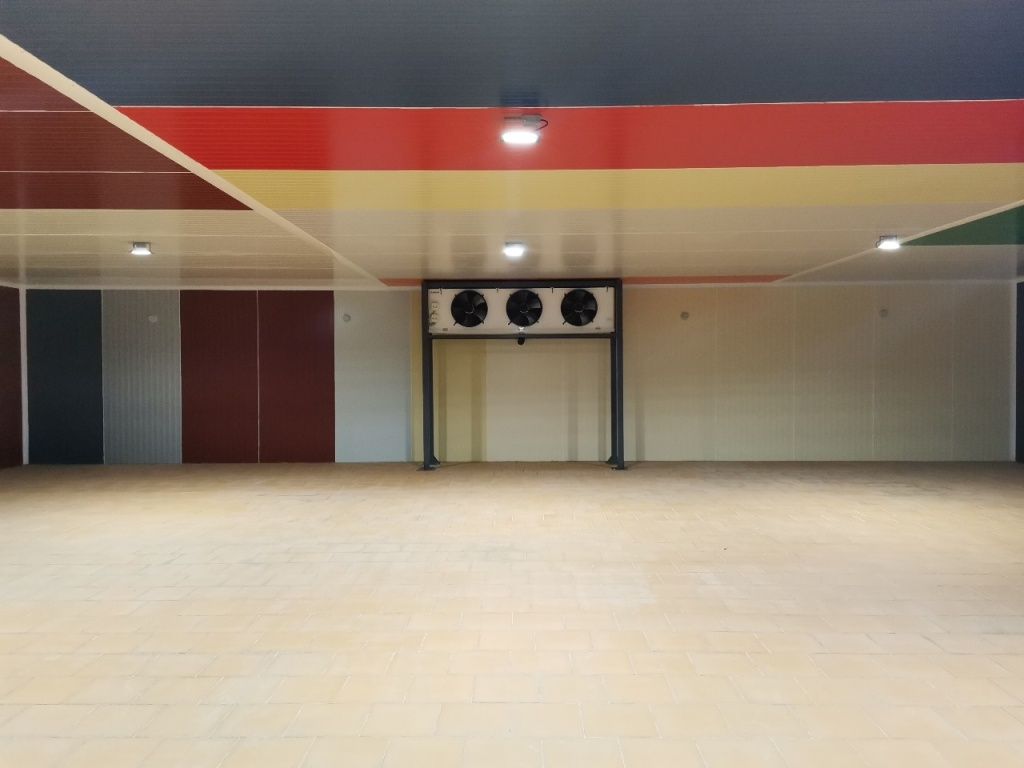
You can also build rooms from multicolored sandwich panels; there are examples of this too.
Lock
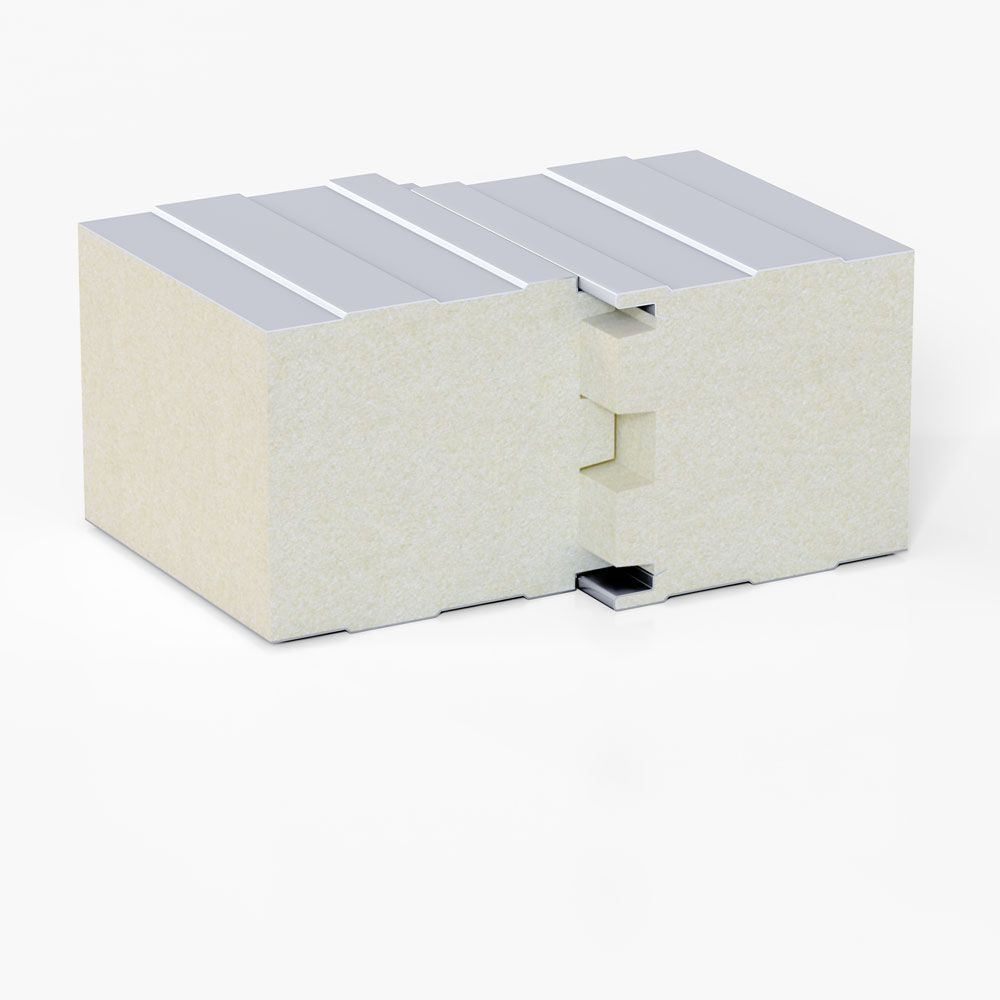
For cold rooms it is important to ensure airtight joints. We recommend using sandwich panels with a tongue-and-groove lock or with eccentric locks.
The special tongue-and-groove joint lock of ProfHolod sandwich panels makes it easy and quick to assemble and disassemble a room of the required configuration. The lock provides:
- maximum thermal and waterproofing insulation of the sandwich panel joints when sealing materials are used
- elimination of “cold bridges”
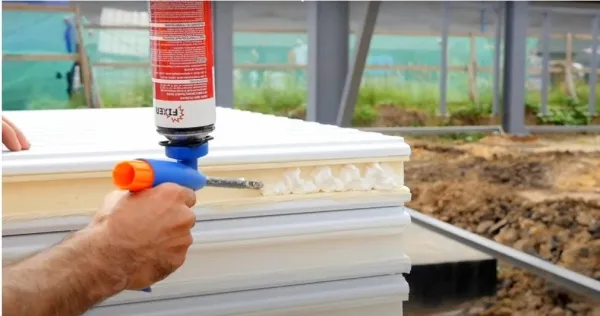
- minimal use of mounting foam when joining panels
There are sandwich panels with eccentric locks, which pull the sandwich panels together and join them hermetically, protecting the joints from water and air penetration.
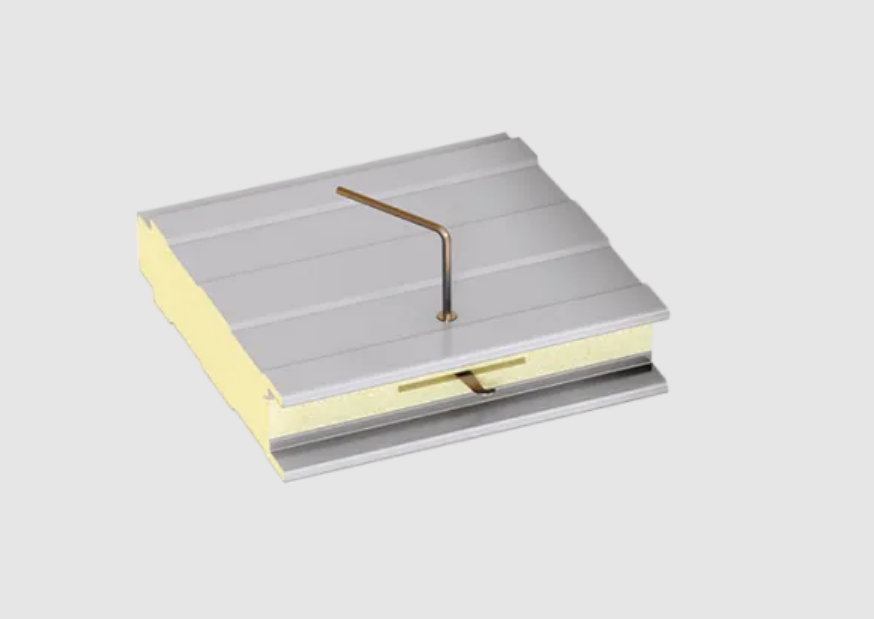
The locks are installed at the joints of wall panels and withstand a tensile load of up to 450 kg. Thanks to the one-piece design and the special composition of engineering polymers, eccentric locks are corrosion-resistant. At ProfHolod you can order modular cold rooms made of sandwich panels with PUR insulation and eccentric locks.
Additional factors when choosing sandwich panels
1. Certification: make sure the panels meet sanitary and fire safety requirements
2. Manufacturer: choose proven manufacturers that offer a warranty on their products. Make sure that you are buying sandwich panels directly from a factory, made on continuous automatic lines
3. Operating conditions: if the room will operate in an aggressive environment, pay attention to sandwich panels with special coatings or made of stainless steel
In this article we have examined in detail how to choose sandwich panels for a room. But we also remind you that competent installation is very important for the efficient operation of a cold room: even the best materials will not deliver results without high-quality installation.